
Treatments For the Effective Treatment of Bruxism
There are several signs and symptoms that can indicate bruxism. If you have frequent headaches and jaw pain, if you feel tension in your muscles and have grinding sounds, if there is damage to your teeth, these may be signs of bruxism. To be sure that you have this problem, it is best to visit a dentist who will Diagnoses and Treat Bruxism.
Only a dentist will be able to accurately diagnose whether you have bruxism. He will ask you questions about your symptoms, such as whether you have frequent headaches, muscle tension, congestion or ear discomfort, etc. After that, he will perform a physical examination where he will examine the jaw, teeth and soft tissues in the mouth. Based on this examination, the dentist can determine whether there is damage to the teeth and other damage that occurs on soft tissues.
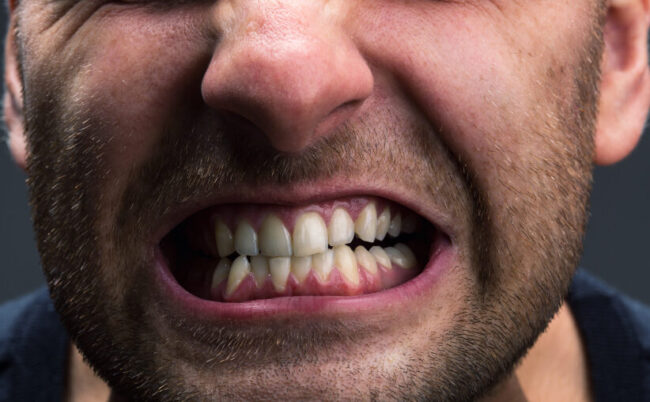
Based on the diagnosis, your dentist will determine the treatment that will effectively cure bruxism. One of the treatments is wearing a splint that helps reduce the pressure of the teeth on the jaw. In more severe cases, dental treatment can be performed, which involves correction of the bite and straightening of the teeth. Easier treatments, if the condition is not serious, can include physiotherapy, the exercises of which can lead to muscle relaxation.
Bruxism is a condition that can cause you chronic problems and that is why it is very important to properly Diagnose and Treat Bruxism. Therefore, if you have any of the above symptoms, visit a dentist who will be able to determine if you have bruxism and recommend an effective treatment for its treatment.
…